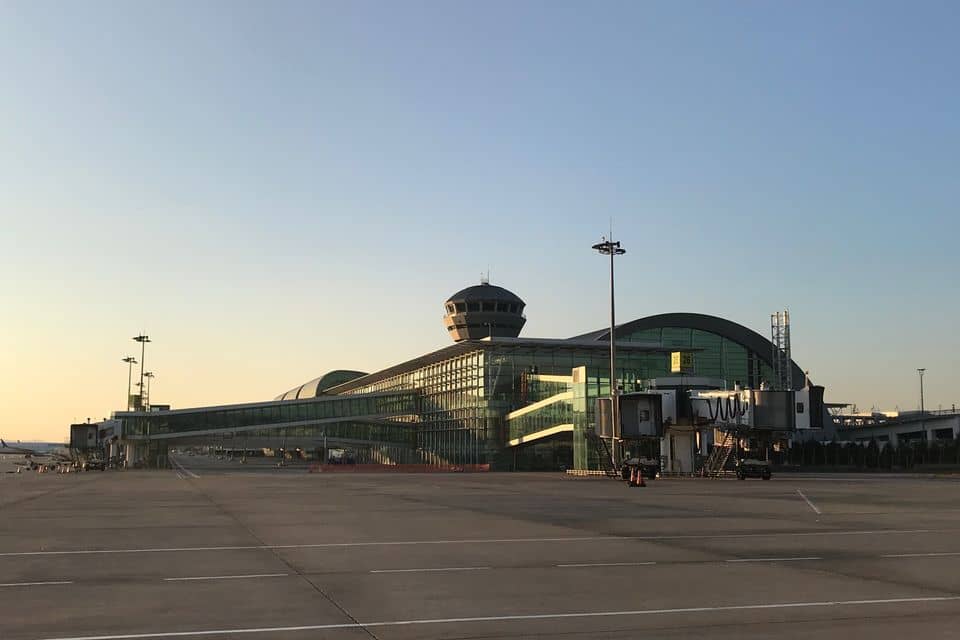
A corporate guest's experience of Izmir often begins at the airport. The first welcome, the condition of the vehicle and the driver's communication leave an impression of how well the organisation is run before the meeting has even begun. This article offers a practical list to make planning easier for transfers of executives, foreign guests, delegations or conference attendees. The checklist is designed so that an assistant or an event organiser can apply it step by step.
1. Gather guest and programme details
The first step in planning is accurate and complete data. The guest's full name, phone number, flight number, arrival terminal, accommodation and programme times should be collected in a single message. If information comes from different people, appointing a single point of contact reduces confusion. When the flight number is shared, the meet-and-greet is planned around the aircraft's landing time, so no reorganisation is needed for delays or early arrivals.
2. Determine the right vehicle class
The vehicle class is chosen according to the number of passengers as well as luggage and the expected level of comfort:
- Mercedes-Benz Vito VIP: Approximately 1–6 passengers; for an executive, a small delegation or a guest and their companions.
- Mercedes-Benz Sprinter: Approximately 10–16 passengers depending on the vehicle; for a large delegation, a trade fair team or an event group.
Exact capacity and equipment are confirmed in the quote. If you are wondering which needs each vehicle suits, see the Mercedes Vito and Mercedes Sprinter pages. For guests with a lot of luggage or meeting materials, it makes sense to consider the next class up.
3. Settle the quote and invoice process
The fare is communicated by written quote over WhatsApp before the journey. In corporate work, this written record helps with both internal approval and accounting. The booking is confirmed once the quote is accepted. Corporate invoice details are settled at the quote stage; stating the company name, tax details and invoice delivery method at this point reduces the need for corrections later. Waiting and extra-time conditions are also written in the quote; take the chance of the meeting running long into account when reading this section.
4. Meet-and-greet and meeting arrangements
The meeting point and the driver's contact details are shared with the booking confirmation. Sending this information to the guest before landing shortens the search time at the airport. If the organisation wishes, a name board can be used; discuss this at the request stage. For terminal and exit information, you can consult the official Adnan Menderes Airport page.
5. Day-of coordination table
| Stage | Check |
|---|---|
| Before the flight | Have the flight number and landing time been confirmed? |
| After landing | Have the driver and guest found each other? |
| Transfer | Are the route and destination address correct? Has the approximate time (25–40 min to Konak/Alsancak) been communicated? |
| Meeting day | Will waiting or an additional stop be needed? |
| Return | Have departure time, airport procedures and a traffic buffer been calculated? |
| Close-out | Are the invoice and paperwork complete? |
The distance from the airport to Konak and Alsancak is approximately 18–25 km, and the journey takes approximately 25–40 minutes; this varies with traffic. For journeys that coincide with a meeting time, use the upper end of this range as your basis.
Communication language and protocol should also be considered in planning. For foreign guests, preparing the welcome message and the driver's contact details in a language the guest understands and sending them in advance strengthens the first impression. For senior executives, if there are needs such as luggage, a special diet or accessibility, write them at the request stage; because vehicle class and equipment are confirmed in the quote, these details are properly taken into account.
Finally, it is useful to get brief feedback after each transfer for future organisation. Notes such as what time traffic built up, which meeting point was more practical and how the waiting time went noticeably improve the plan for the next visit. ## 6. Trade fairs, congresses and multi-day programmes
For multi-day events, prepare a separate schedule of times and points for each day. If participants move between hotel, event venue and dinner, planning an all-day chauffeur-driven vehicle simplifies coordination. The area covered is stated in the quote; if a change of route is possible during the event, discuss it from the start.
Final check
Before every executive transfer, complete the short list below:
- Guest details, flight and contact numbers have been verified.
- Vehicle class and luggage needs have been confirmed in the quote.
- Invoice details were shared at the quote stage.
- The meeting point and driver contact details have been sent to the guest.
- A contact person has been named for the return plan and for unexpected changes.
Although the list looks long, in practice all of it can be settled in a single message a week in advance. What matters is that the information is written and collected in one place. For the process to run smoothly, define the communication chain between guest, assistant and driver, so it is clear who informs whom about last-minute changes. That way the guest experiences the whole process, from landing to drop-off, as one seamless flow. ## Related services
For the scope of corporate transfers, see the corporate VIP transfer page, and for event days, the trade fair and congress transport page. To get a written quote with the guest details, you can use the quote page.