When travelling with a child, an older relative or a passenger with a special need, the details of the transfer matter more than on an ordinary journey. The good news is that most of these needs can be planned without trouble if they are written clearly and completely before booking. This article explains step by step how to build your request.
Why are details needed?
Many families remember the child seat later, or think it unnecessary to write down a special need. Yet a small note can change the whole journey.
A transfer request is all the information needed for the vehicle and driver to be ready for that journey. Equipment such as a child seat affects how the vehicle is prepared; a special need can affect the route, the way of boarding and the time plan. If this information emerges at the last minute, it becomes harder to find a suitable solution. Child seats and special needs are stated in the request, and availability is confirmed during the quote process.
What to write in a child seat request
A child seat is not a luxury but part of the journey arrangements. So writing it in the first message, rather than adding the request later, shortens the confirmation process and shows any shortfalls from the start.
- The child’s age and approximate height or weight.
- How many children will travel.
- The type needed: infant carrier, child seat or booster.
- Whether you will bring your own seat.
- Total number of passengers and amount of luggage.
Legal age and weight rules can be updated over time, so we recommend checking the current rules from official sources. If you write your request according to these rules, the confirmation stage is faster. As the number of seats increases, passengers and luggage are assessed together; for larger families, vehicle choice is assessed according to luggage and the number of seats together.
For passengers with special needs
Each passenger’s needs are individual, so rather than giving a general answer, we need to listen to the situation. Do not hesitate to write your request clearly; our aim is to say honestly whether a suitable solution exists and, if it does not, not to raise expectations for nothing.
Write in detail about special needs such as difficulty walking, being unable to stand for long, a hearing or visual impairment, or a sensitive health condition. The one thing we can promise on this is that the clearer your request, the more accurately we can confirm whether a suitable solution exists. Describe your need in detail and we will confirm whether there is a suitable solution. Factors such as the vehicle’s boarding height, the assistive equipment to be carried in the boot and the length of the journey play a part in this assessment.
It is useful to note the following:
- How the passenger moves and what support they need when boarding.
- The equipment to be carried with them and its size.
- Whether breaks will be needed during the journey.
- The number of people accompanying them.
With a child seat, it matters not only that the vehicle is ready but also that the seat is fitted correctly. If you will bring your own seat, stating its brand and model in the request makes it easier to confirm compatibility. If there is more than one child, you need to give age and height information for each.
Flight, meeting point and timing
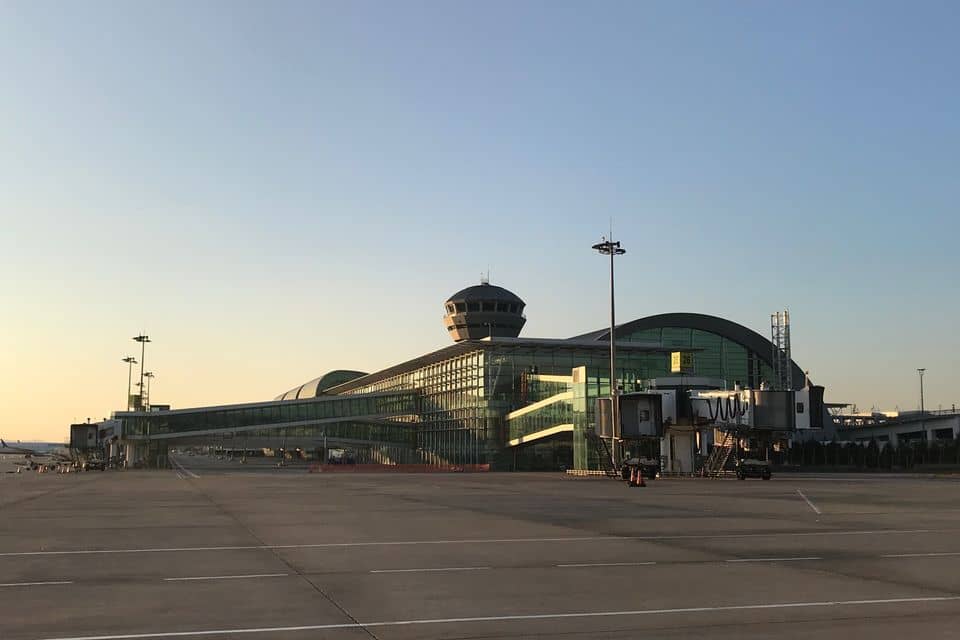
If the flight number is shared for an airport meet-and-greet, the meeting is planned around the landing time. With a child or a passenger with special needs, reaching the baggage belt after landing can take longer; letting the driver know, with this time in mind, makes things easier. The meeting point and driver contact are shared with the booking confirmation. For airport services and current guidance, see the Izmir Adnan Menderes Airport page.
When writing the request, use short, clear sentences. For example, instead of just writing "we have an elderly relative", a concrete statement such as "needs support when walking, can walk short distances and uses a folding walking stick" makes it much easier to assess a suitable solution. You do not need to share medical details beyond what is necessary; it is enough to write the practical needs relating to the journey.
Request summary table
The table below summarises what information should be in the request for each need.
| Need | Information to write in the request | Result |
|---|---|---|
| Child seat | Age, height/weight, number | Availability is confirmed in the quote |
| Pushchair | Size and how it folds | Added to the luggage plan |
| Difficulty walking | How the passenger moves, support needed | Whether a suitable solution exists is confirmed |
| Assistive equipment | Type and size | The vehicle is chosen accordingly |
| Long journey | Request for breaks | Waiting terms are written in the quote |
After sending the request, rather than waiting for a reply and giving extra information at the last moment, update the quote correspondence yourself. Even small notes such as the child’s age having changed, an extra passenger joining or the luggage having increased allow availability to be confirmed correctly. That way there are no surprises on the day of travel.
Effect on vehicle choice
A child seat or assistive equipment changes the luggage and seating arrangement. The Mercedes-Benz Vito VIP suits approximately 1–6 passengers; as equipment and numbers increase, the Sprinter class or a second vehicle can be considered. Exact capacity and equipment are confirmed in the quote.
How do you send the request?
The most practical way is to put all the details in a single message. Confirmation is faster if the date, time, addresses, number of passengers, children’s ages and special needs are in one place. You can send this information on the get a quote page, look at the Izmir airport transfer page for an airport journey, or see the Izmir chauffeur service for a full-day family outing. The booking is confirmed once the quote is approved.